If you’ve clicked on this article, you’re probably thinking about launching a pet product… Well something to keep in mind is that the pet care market is a more than $180 billion industry, meaning people are not shy and fully ready to spend money on their pets. Whether they have a cat, dog or any other fur baby, spending money on them is non-negotiable.
Creating a high-selling pet product in 2026 requires more than just a good idea. It demands strategic validation, smart positioning, and a clear go-to-market plan.
Here are 5 tips for launching a successful pet product.
1. Stand Out From The Crowd
The biggest mistake new founders make is entering the market with a “me too” product. There are already thousands of dog toys, accessories, and pet supplements. Your product will quickly get lost if it doesn’t clearly differentiate, especially in crowded marketplaces like Amazon.
Start with a sharp value proposition:
- What problem are you solving?
- Who are you solving it for?
- Why is your solution meaningfully better?
In 2026, differentiation comes from:
- Functionality – Multi-use or problem-specific innovation
- Convenience – Time-saving or travel-friendly design
- Health & wellness – Clean ingredients, vet-backed benefits
- Sustainability – Eco-friendly materials and packaging
Before investing in development, validate your product’s demand through:
- Customer interviews
- Reddit and pet community research
- Competitor review mining (what people complain about)
If you can’t clearly articulate why someone would switch from what they’re currently using, you’re not ready to launch.
2. Build An Optimal Design & Manufacturing Framework
A great idea can still fail with poor execution. Your product needs to balance quality, cost, and scalability from day one. That starts with thoughtful design and the right manufacturing partners.
Key considerations:
- Material selection – Safe, durable, and compliant (especially for ingestible or chewable products)
- Cost structure – Maintain healthy margins (ideally 70%+ gross margin for e-commerce)
- Supplier reliability – Avoid delays that can kill momentum
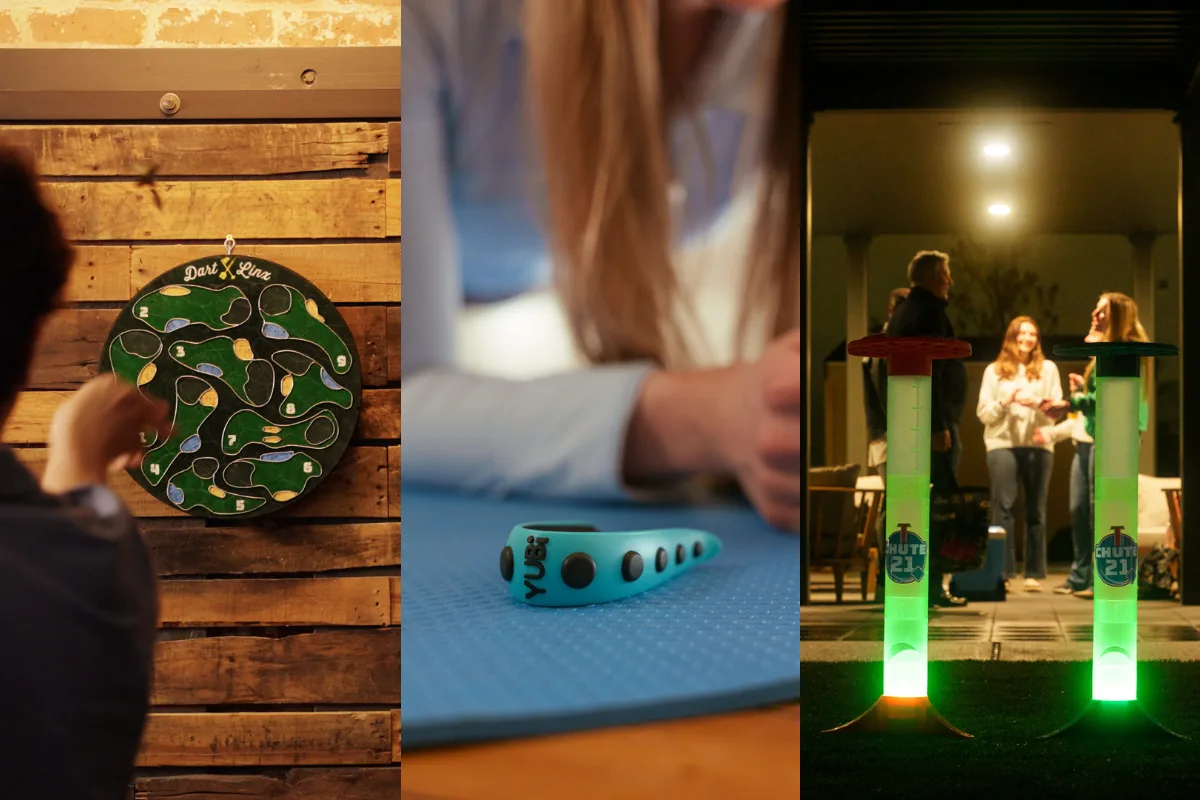
Here at 52 Launch, our team prioritizes design-for-manufacturing to guarantee that every product can be made in the most efficient way possible. And when it’s time for production, we leverage our more than three decades of manufacturing experience to ensure that our clients’ products are always made in the right factories with the right tooling.
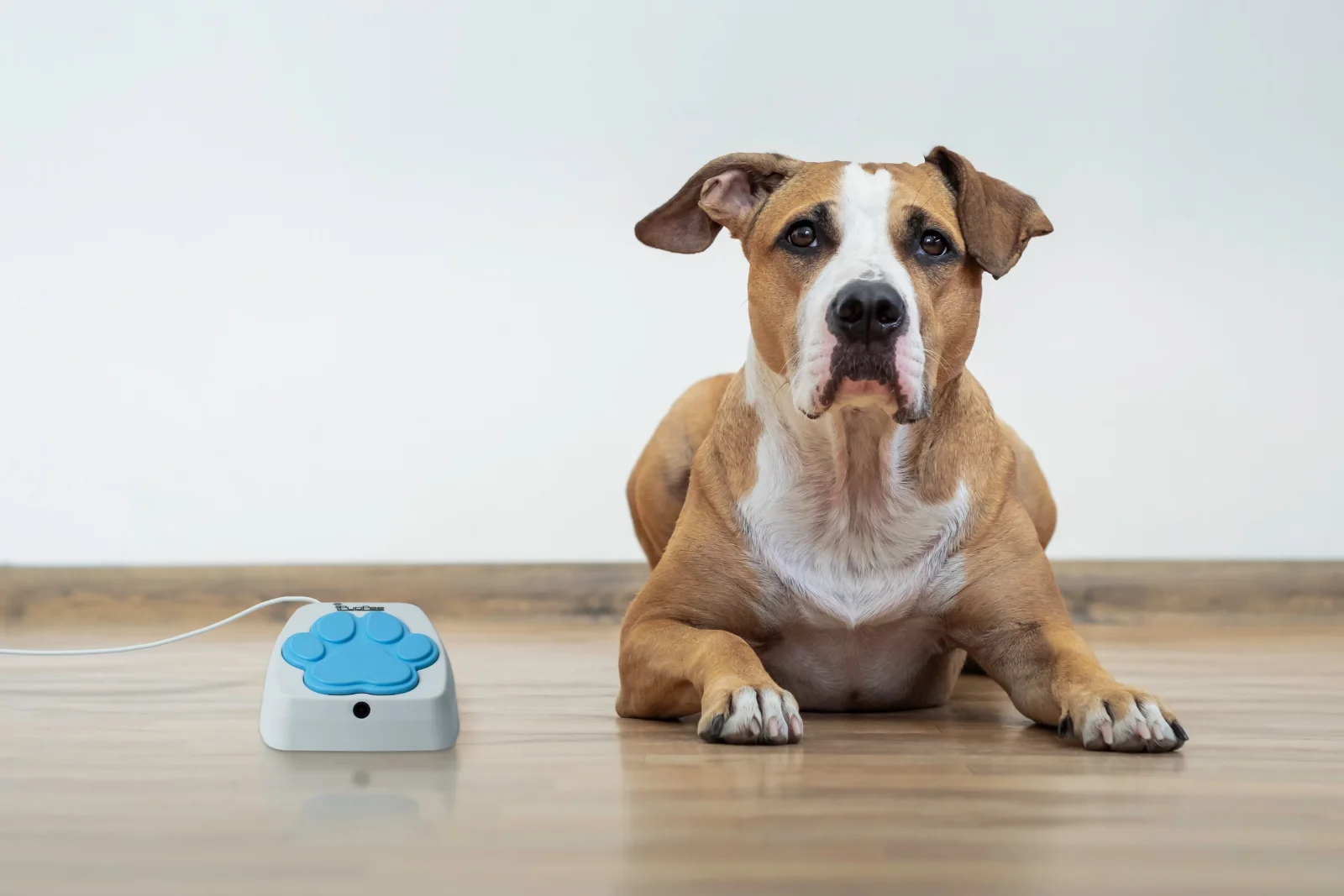
We helped build an interactive pet product called iPupPee that helps people stay connected to their pet with an innovative way to potty train their dogs. Check out the below podcast episode to learn more:
3. Branding Can Make Or Break You
In the pet category, branding is often the deciding factor between success and failure. Now more than ever, consumers buy products based on trust, emotion, and identity. Strong pet brands tend to:
- Speak directly to a specific type of pet owner (e.g., urban dog parents, health-conscious cat owners)
- Use clean, modern packaging that stands out on digital shelves
- Tell a compelling story (mission-driven, problem-solving, or lifestyle-focused)
In 2026, branding also extends into:
- Content ecosystems (TikTok, Instagram, YouTube)
- Community building (loyal customers who advocate for you)
- UGC (user-generated content) as social proof
If your product looks generic, it will be treated like a commodity and ignored by the customers who you want the most.
4. Develop The Right Go-To-Market Strategy
Even the best designed product will fail without distribution. Your go-to-market (GTM) strategy should answer one key question: How are you going to acquire customers profitably?
For most pet product brands, a hybrid approach works best:
Phase 1: Direct-to-Consumer (DTC)
- Launch on Shopify
- Validate demand and messaging
- Build your brand story and customer base
Phase 2: Marketplaces
- Expand to Amazon for scale
- Optimize listings with strong visuals and reviews
Phase 3: Retail
- Target pet stores, boutiques, and regional chains
- Use proven sales data to get shelf space
On the marketing side, prioritize:
- Paid social (Meta, TikTok)
- Influencer partnerships (especially pet creators)
- Email/SMS retention flows
Customer acquisition costs are rising, so your backend (repeat purchases, subscriptions, bundles) is just as important as your front-end funnel.
When you partner with 52 Launch, you get a top-to-bottom GTM strategy designed to build a strong customer base, deliver consistent sales, and keep growing order after order.
5. Adapt & Scale
Launching is just the beginning. The most successful pet brands win because they continuously evolve based on real customer feedback and data. Post-launch, focus on:
- Customer reviews – Identify patterns and improve the product
- SKU expansion – Introduce complementary products
- Retention strategies – Subscriptions, loyalty programs, and bundles
Scaling also means knowing when to invest:
- Increase ad spend once you’ve hit consistent ROAS
- Expand inventory when demand is predictable
- Explore wholesale once your brand has traction
In 2026, agility is a competitive advantage. Brands that iterate quickly will outperform those that spend too long trying to make everything “perfect” upfront.
All of this may sound overwhelming, but that's why at 52 Launch we're here to help. Through our comprehensive process, which covers everything from design to branding to manufacturing and beyond, we'll get you to launch faster and more efficiently than you ever thought possible.
Ready to turn your product idea into a reality and get it to market? Contact us today at 52 Launch to get started.