The market for kids products is one of the largest and most difficult to break into. Succeeding in this densely packed landscape depends upon creating a product that balances a kid's eye for fun with a parent's desire for usefulness, while also crafting a marketing strategy to reach them in the first place. With these items achieved, scaling and expansion closely follow.
Here are three effective ways to launch a kids product in 2026:
1. Finding Your Place In An Astronomical Market
Before you can get started with launching a kids product, you must first understand the market. In a nutshell, it's mind-boggingly enormous. The market for kids toys alone is worth upwards of $70 billion, while the entire ecosystem for products geared to children totals more than $300 billion.
Oftentimes, we have clients who think "If I can make a kids product that gets just 1% market share, that's a $1 billion company." But here's the problem with that mentality: A $300 billion market is highly crowded and competitive, and grabbing even the tiniest fraction of it requires significant investments beyond simply developing and launching a product.
Countless kids' products hit the market and fail every year, not because of problems with their design or manufacturing, but as a result of poor execution and strategy.
Let's fix that.
2. Understanding User vs. Audience vs. Buyer
For nearly all adult products, the user, audience, and buyer are the same person. Take mascara, for example; the audience for mascara marketing campaigns are women who use mascara and are in a position to buy it for themselves.
This is not the case when it comes to kids products.
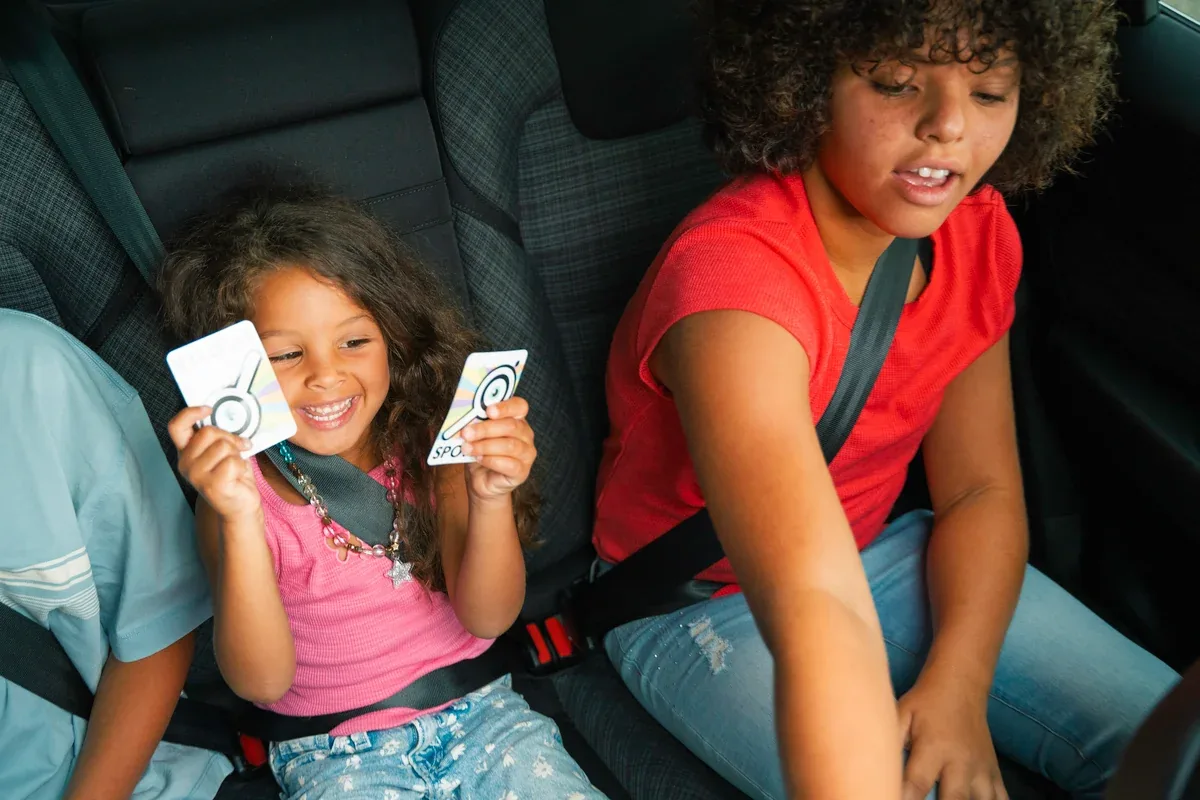
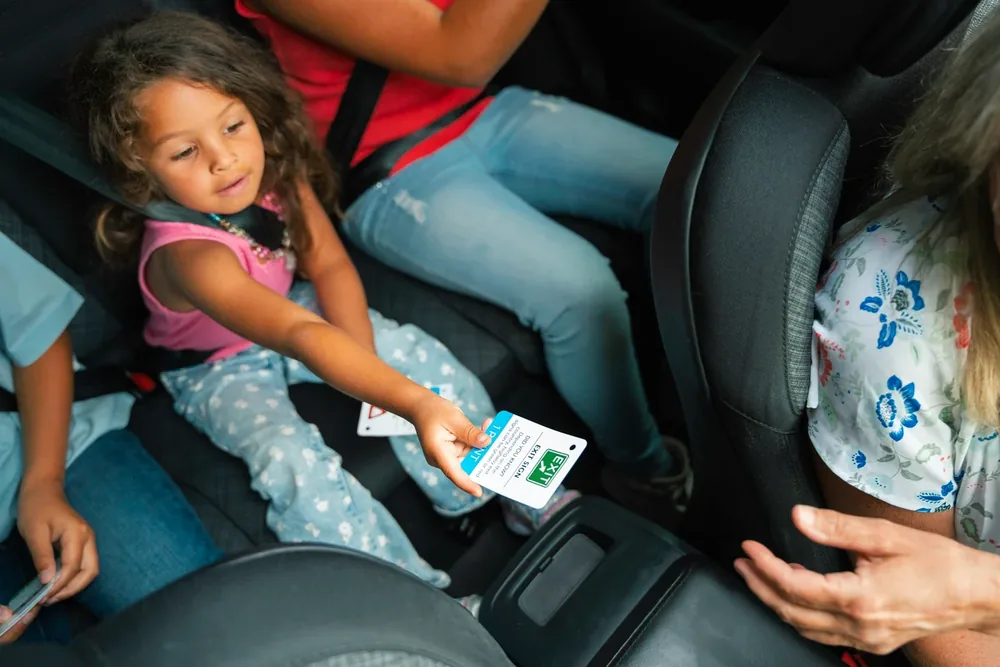
Kids may be the users of the products, but their parents are more likely than not to be the buyers. Even the audience can be different depending on the product. If it's a toy, then you'll want to appeal to children, but if it's a hygiene product, then you'll need to market to their parents instead. After all, when's the last time you saw a kid beg their parents to buy them the hot new soap dispenser?
3. Why Would A Kid Want Your Product? Why Would A Parent Buy It?
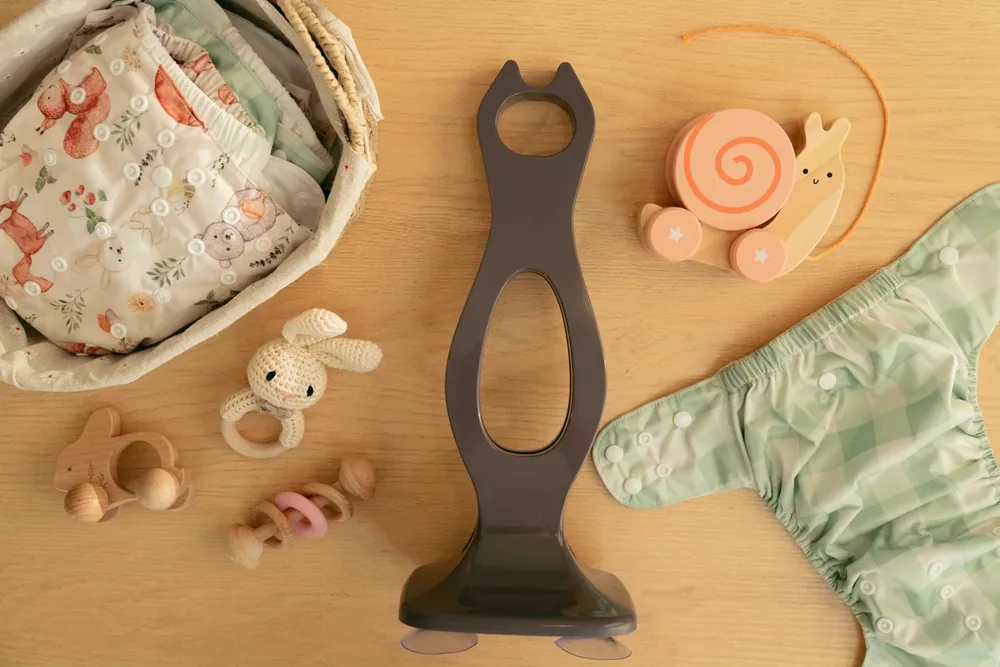
There is nothing more important for a kids product than to separate itself from everything else already on the shelves. Bright colors, flashing lights, and fancy noises alone won't cut it – your product needs to be fun but also useful, purposeful but also beneficial. In 2026, parents are primarily looking for something that their kids will enjoy using, but also provide healthy and productive stimulation. Even once you have a product that checks all of these boxes, you still need the right branding and marketing strategies in order to effectively reach your target audience.
With such a competitive landscape, your product only has a split-second to make a good first impression; kids will toss your toy aside without hesitation if it doesn't look fun, and parents will unflinchingly scroll past your product if they don't think it's right for their child.
The entrepreneurs in this space who will see the most success in 2026 and beyond will be the ones who fully flesh out their idea, design a product that stands out in stores, and most importantly, learn as much as they can about their audience and market, and continually optimize their business strategy based on those insights. Take it from us: We've launched dozens of kids products – Funny Bone Games, Resnug, Lava Lunch, Stride Check, Chute 21, Eggmazing, just to name a few – which have earned millions of dollars in revenue and improved the everyday lives of countless families.
Ready to turn your product idea into a reality and get it on the market? Contact us today at 52 Launch to get started.