
You've launched your product and your first 1,000 units are selling out rapidly. For your next order you're thinking 2,000 units. Then 3,000. Then and then and then, all the way up to infinity.
But how do you make sure your business is ready for this level of growth?
Here are three tips on scaling your product the right way for long-term success.
1. True Scaling Starts When Your Business Does
Before placing that next production order, let's back up for a moment. Here's the truth: If you're in a "sell out, order more" mentality, then you're doing it wrong. Countless businesses shut down every year because they tried to grow too fast, too soon, and weren't properly prepared. The problem wasn't sales, it was strategy.
Developing a product and bringing it to market is just the first step to becoming an entrepreneur. Building the entrepreneurial mindset, however, which is what allows for long-term growth and success, requires thinking about scalability and preparing for it from day one. After all, your money-making potential does not lie in your product itself, but rather in your ability to expand your business as a whole at scale.
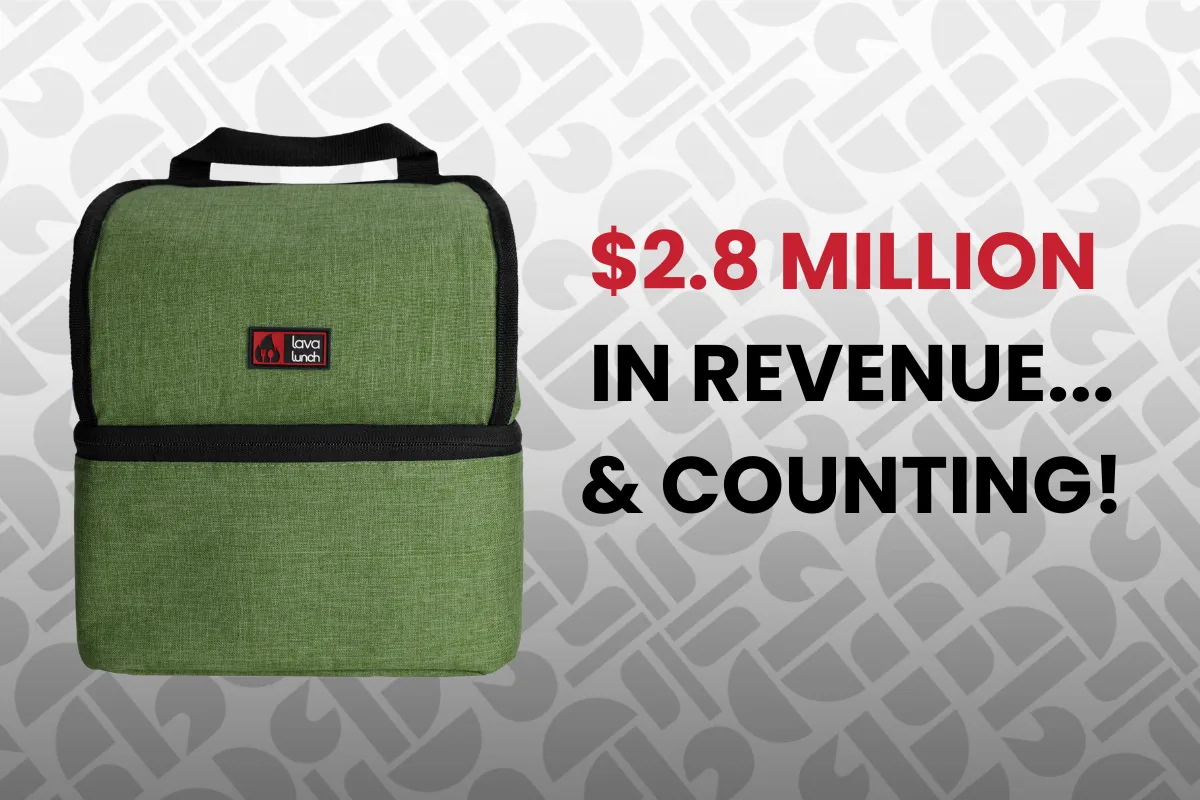
Here at 52 Launch, we've helped develop highly successful and scalable businesses including Lava Lunch, which has brought in nearly $3 million in revenue since 2020, Dart Linx, which has sold more than 30,000 units in under 18 months, and Lobster Nativity Scene, which has become a top-selling holiday season staple. We know what it takes to grow a business that can compete, and dominate, in the marketplace.
2. What You Need To Scale

First and foremost, sales and profitability are critical to scaling a business. However, being able to sell 1,000 units from your first production order does not guarantee that you'll be able to sell 2,000 after your next order. In order to do this, you need a mix of both new and returning customers to sell to. Gaining new customers, even for an established business, requires significant investments in branding and marketing – If you're not telling your story, you're not getting seen. That's why it's so important to leverage your existing customer base; loyal and engaged followers are the biggest driver of sales and should be the cornerstone of your business strategy. Getting customers to buy more of your products, and more often, is the fastest route to scaling.
With customers in the place, the next necessary ingredient for scalability is inventory and distribution. What you need to understand is that your product is only as good as the infrastructure behind it. In order to be scalable, you always need x amount of units in production, x amount of units in transport, and x amount of units on hand – The actual process of scaling means growing the value of x over time. Balancing these logistics is what separates real entrepreneurs whose businesses grow exponentially from the fake ones whose businesses vanish overnight.
Once you reach a point in which you have the right product in the right market, and the right systems in place, the floodgates will open.
3. Eliminating Interruptions

Once you take off, there cannot be any delays or hiccups. The success, and survival, of your business rests in the ability to get inventory at any time, no matter what roadblocks might lie in your way. Running out of products and not being able to get orders out fast enough leads to angry customers that don't come back. And bad reviews can destroy a business faster than just about anything else.
This is why scaling is an all-the-way endeavor. No half-measures allowed. When you build and launch a product with scalability in mind, you put yourself on the fast track to entrepreneurial success.
Ready to turn your product idea into a reality and get it on the market? Contact us today at 52 Launch to get started.