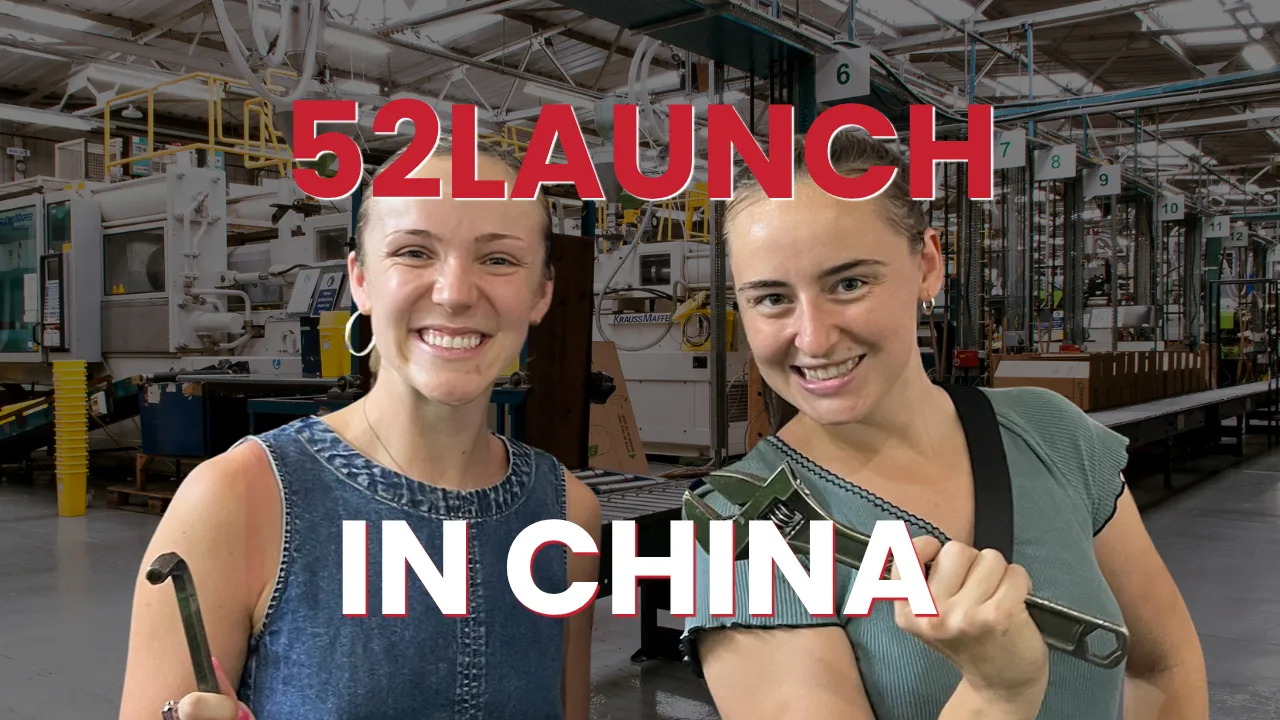
The 52Launch product development team spent nearly three weeks traveling through China, visiting 15+ cities and 30-45 factory projects to manage sampling, build supplier relationships, and troubleshoot production issues in person.
Let's dive into why face-to-face visits speed up development, how much compromise goes into manufacturing an innovative product, and what surprised a first-time visitor about the people behind the factories.
Why Does a Product Team Travel to China in Person?
Most communication between a U.S. product team and Chinese manufacturers happens remotely — over WeChat, email, and video calls, often across a 12-hour time difference. A single question about a color swatch can take a full day to resolve.
Being on the ground removes that lag. The 52 Launch team described being able to raise an issue in the back of a taxi and get an answer within minutes, present new projects directly to factory managers, and correct samples on the spot instead of shipping them back and forth. The trip also let the team present new product concepts directly to suppliers, cutting out rounds of back-and-forth communication that would normally stretch over days.
What Does a Day of Factory Visits Look Like?
A typical day started with breakfast as a team, followed by two to three hours of travel by car, train, or plane between suppliers. Most days included visits to two different factories, each with meetings and a shared meal in between — a detail the team noted is a meaningful part of Chinese business culture, where eating together helps build trust beyond the transaction.
Between visits, the team worked to document findings and keep the rest of the product development group back home updated in real time.
How Many Factories Were Involved, and What Did They Produce?
The trip covered roughly 15-16 cities and an estimated 30-45 active projects, since many factories manufacture multiple products for 52 Launch at once. The route ran from Hong Kong through Shenzhen and Dongguan, up through Fujian province, and on to Shanghai, Hangzhou, Jinhua, Nanjing, and Ningbo before flying home.
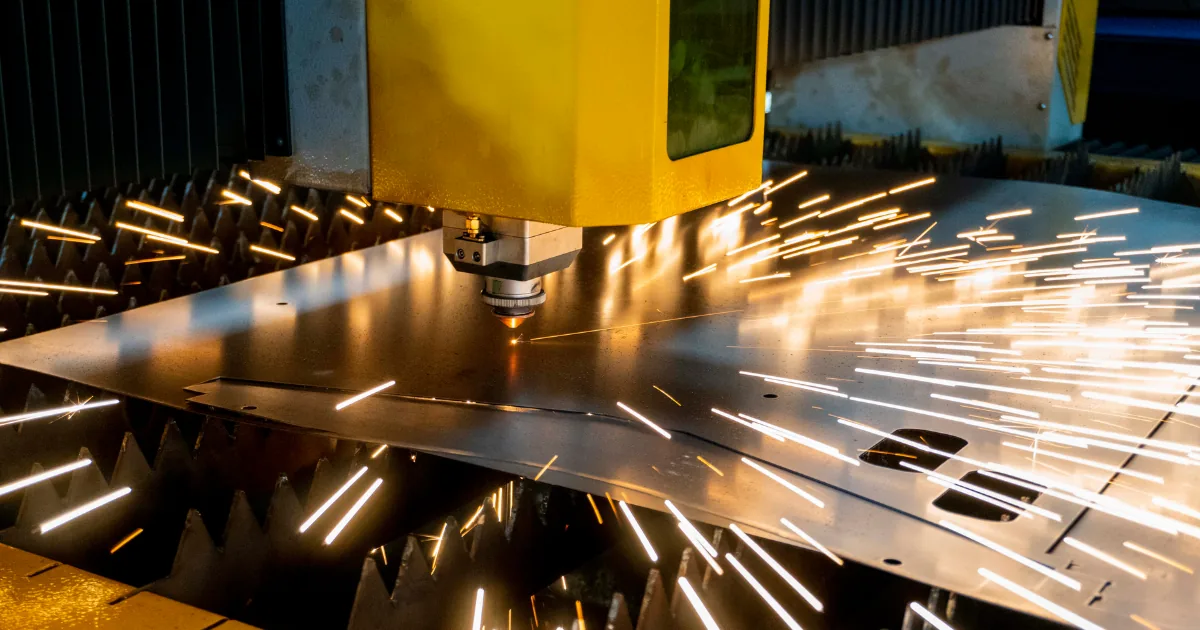
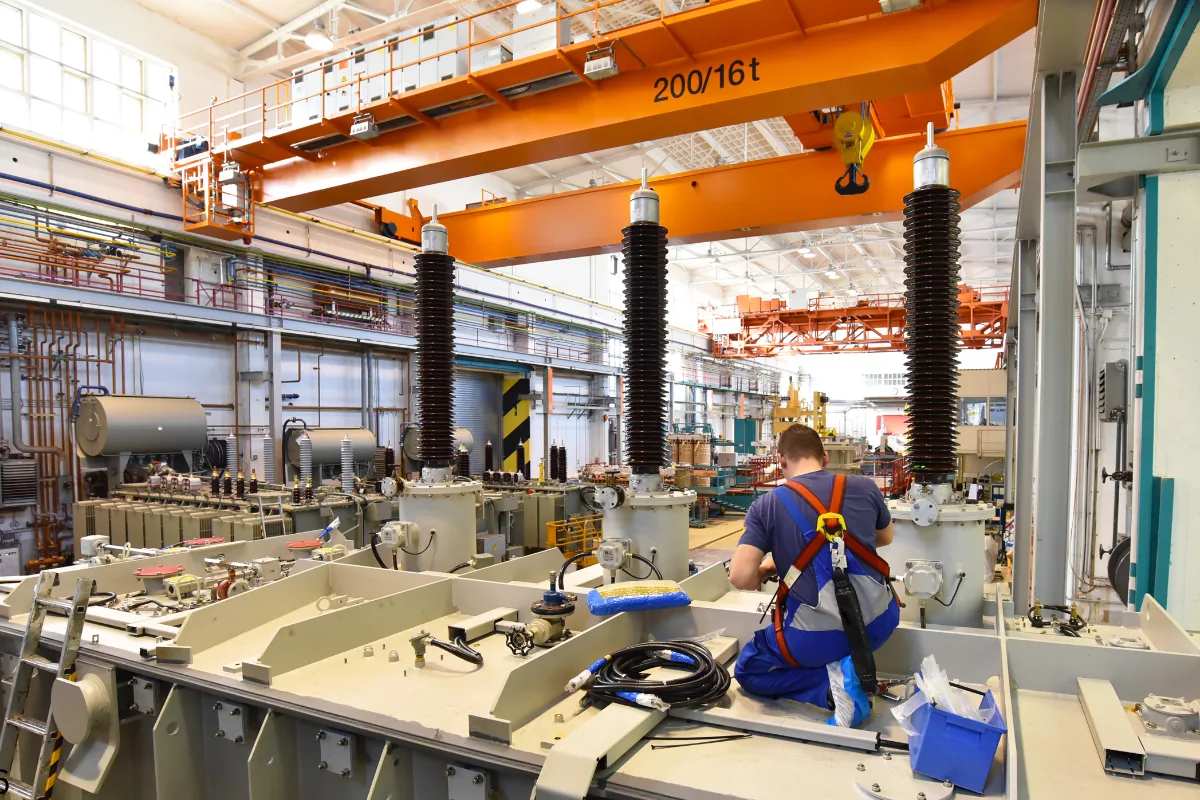
The factories spanned a wide range of categories: cut-and-sew goods, metal fabrication, memory foam, toys, motorized products, sporting goods, textiles, electronics, and health and medical products.
Why Is Manufacturing an Innovative Product So Difficult?
According to the sourcing team, the biggest challenge isn't finding a factory with the right equipment — it's translating a genuinely new idea into something a factory can produce at scale. Even experienced manufacturers may need new equipment, adjusted machinery, or process changes to build something that doesn't already exist in the market.
That often means compromise. The team described the goal as landing product designs at 80-90% of the original concept rather than holding out for an exact match, since insisting on 100% fidelity can prevent a product from ever reaching production. As one team member put it, chasing perfection can undermine profitability — the priority is getting a strong version of the product to market, then improving it over time.
What Surprised the Team Most About the Sourcing Process?
For a first-time visitor to China, the biggest surprise was how much the work depends on relationships rather than just logistics. Tasks that once felt like paperwork — tech packs, 3D models, sample requests — turned into conversations with real people who have their own personalities and working styles.
The team also noted that different people and factory partners respond to different management approaches; some need direct pressure, others need a more collaborative style. Understanding that shifted how the team approaches both communication and documentation going forward.
What Advice Does the Sourcing Team Have for Clients Bringing New Products to Market?
The sourcing team's core advice: build in room for compromise. Highly innovative designs are exciting, but factories often need to adapt tooling, materials, or processes to produce something that's never been made before — especially at the minimum order quantities startups typically request. Finding the balance between staying true to the original design and what a factory can realistically produce is an ongoing negotiation, not a one-time decision.
Ready to turn your product idea into a reality and get it to market? Contact us today at 52 Launch to get started.