Getting a physical product from a factory in China to a customer's door involves final quality checks, freight negotiations, customs classification, random inspections, and seasonal disruptions like Chinese New Year — any one of which can add days or weeks to a timeline.
None of these delays are fully controllable, which is why experienced product teams build in patience and planning rather than trying to rush the process.
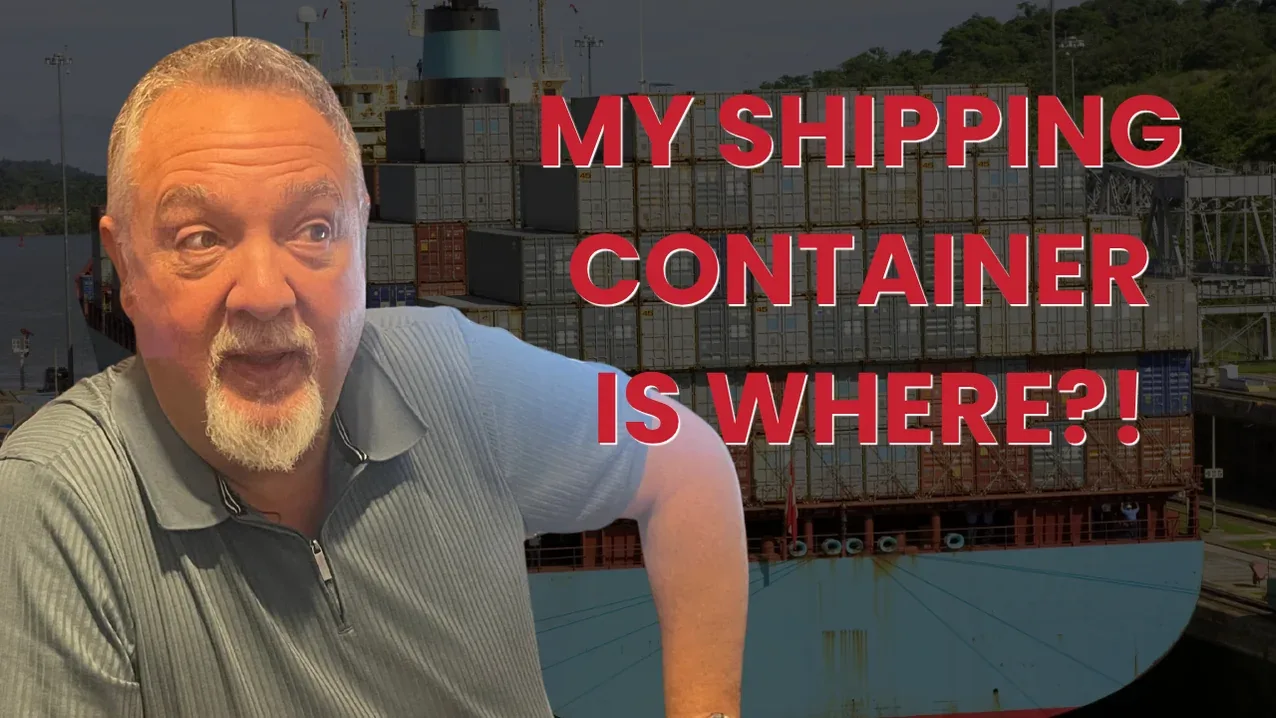
Why did the Panama Canal cause shipping delays?
The Panama Canal relies on a steady water supply to operate its locks. When water levels dropped, authorities restricted the canal to one-way traffic, which created a temporary backlog of container ships and pushed some shipments back by twelve to fourteen days. The delay eased once rainfall replenished water levels, cutting the wait down to two or three days. It's a good example of a disruption that has nothing to do with a company's own operations and everything to do with factors no one can control — which is exactly why experienced logistics teams build buffer time into their planning.
What is FQC and why does it matter?
FQC, or Final Quality Check, happens once a product is finished and boxed, before it ever leaves the factory. A team — ideally the same one that's been involved since the first prototype — inspects a sample of the finished goods to confirm they work correctly, look right, and are packaged properly.
Factories run their own internal QC, often against checklists that the sourcing team helped write. But an internal QC team inspecting its own daily work isn't the same as a fresh, independent set of eyes checking whether the finished product actually matches what was specified. When an outside inspector who has followed the product from prototype to production does the check, they catch issues faster and understand context an unfamiliar third party wouldn't.
What happens when a product fails inspection?
Issues range from minor (a loose thread that needs to be trimmed) to more serious (an incorrect color or material). Depending on severity, the factory's internal QC team may need to run a full 100% inspection and rework of the flagged issue before the product is re-inspected. Handling this at the factory, where the same people who built the product can immediately identify and fix the problem, is far faster and cheaper than trying to catch and fix it after the goods have already shipped.
How does freight get arranged after a product passes inspection?
Once a shipment clears FQC, the sourcing team requests quotes from a vetted group of freight forwarders and carriers. There are typically three options:
- Air freight — fastest, and useful for smaller quantities like getting products to influencers ahead of a full launch
- Fast boat via Long Beach — trucked or trained across the country, roughly 20 days faster than the slow route but about 20% more expensive
- Standard ocean freight through the Panama Canal — the slowest and least expensive option
The client ultimately chooses which tradeoff between cost and speed makes sense for their timeline.
Why is getting the HTS code right so important?
The HTS (Harmonized Tariff Schedule) code determines how much duty is owed on imported goods, and getting it wrong can be costly in more ways than one. If a company chooses the wrong code by mistake, they're on the hook for the correct duty amount. But if customs believes the code was chosen deliberately to qualify for a lower rate, penalties and fines can follow. Because this is often the first time customs has seen a particular product and company combination, there's no shipping history to lean on — every detail has to be right the first time. Experienced teams typically have their freight forwarders independently verify the HTS classification before shipping.
How often do shipments get flagged by customs, and why?
Roughly one in twenty to twenty-five containers gets flagged for a closer look. Most flags are simple documentation checks that resolve in two to three days once customs confirms the paperwork, declared value, and HTS code all line up. Less common — but far more disruptive — are physical container inspections, where customs opens the container to verify the goods match the description and check for restricted materials like lead. These inspections can add 30 to 45 days and are entirely outside a shipper's control. Ironically, these flags tend to happen on the shipments with the tightest deadlines.
What other obstacles affect timelines when manufacturing in China?
Two major recurring disruptions are Chinese New Year, a roughly month-long shutdown of factories, ports, and even air freight starting in late January or early February, and Golden Week in October, a shorter but still impactful national holiday. On the U.S. side, high-volume periods like the run-up to Christmas — when "everything that will be here for Christmas has to be leaving China right now" — create container shortages that require booking freight weeks in advance, sometimes before FQC is even complete.
Should a product launch around the holidays or wait?
Not necessarily. Competing for attention during the holiday season means going up against major brands with far larger marketing budgets. In some cases, launching in a slower period — like January — gives a product room to build momentum without getting drowned out. The takeaway: there's a difference between urgency and rushing. Moving quickly matters, but so does knowing when patience is the smarter play.
What's the biggest risk of rushing the shipping process?
Rushing increases the odds of a costly mistake — a paperwork error, an unchecked box, or an overlooked detail — any of which can end up costing more time in the end than the time saved by hurrying. The realistic approach is planning around known disruptions (holidays, customs timelines, container availability) while accepting that some delays, like a customs flag or a canal slowdown, simply have to be waited out.
Ready to turn your product idea into a reality and get it to market? Contact us today at 52 Launch to get started.